

Cocchi Barolo Chinato is a revered after-dinner elixir that bridges the world of great wines and herbal liqueurs, born in the heart of Piedmont, Italy. It is one of the most iconic expressions from Giulio Cocchi, a house founded in 1891 in Asti, renowned for preserving the traditional methods of aromatized wine production.


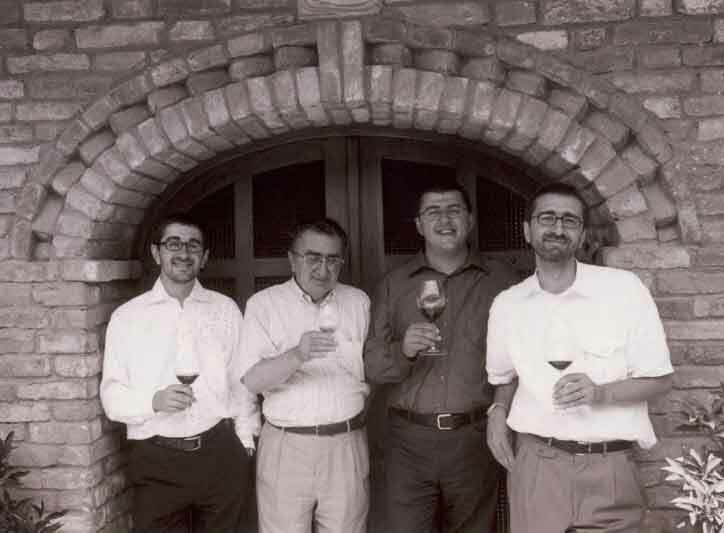

The Noble Aromatized Wine of Piemonte
Barolo Chinato finds its roots in the late 19th century, when pharmacists and winemakers began enhancing Barolo wine with medicinal herbs and spices. Giulio Cocchi, a creative pastry chef and aperitif innovator, perfected this recipe by marrying Barolo—the “king of wines”—with a proprietary blend of botanicals, creating a digestif that was both refined and therapeutic.
The soul of Cocchi Barolo Chinato is DOCG Barolo wine, made from 100% Nebbiolo grapes, aged to develop structure and complexity. This prestigious wine is then enriched with chinchona bark (quinine)—the botanical that gives “Chinato” its name—alongside a careful selection of gentian root, rhubarb, cardamom, and other alpine herbs and spices.
The blend is macerated slowly, allowing the ingredients to infuse fully and harmoniously. The final product is balanced with a touch of sugar and alcohol to stabilize and enrich the texture, preserving its deep flavor profile.
Tasting profile
Nose
Rich and aromatic, with an inviting bouquet of dried fruit, sweet spices, and floral notes. The scent of rose petals, dried cherries, and orange peel mingles with hints of cinnamon, clove, and a touch of earthy herbs, all underlined by the subtle influence of Barolo wine's tannins.
Taste
On the palate, it has a well-balanced sweetness that is complemented by complex layers of rich fruit and spice. Bold flavors of cherries, dried figs, and orange zest are met with a touch of bitter herbs and a gentle oakiness. The flavor profile reflects the deep, full-bodied character of the Barolo wine, yet remains smooth and rounded.
Finish
The finish is long and satisfying, with lingering notes of herbs, spices, and a mild bitterness that gradually fades. The warmth of the alcohol provides a subtle, lasting aftertaste that lingers on the palate.
Events from Cocchi
There are no events for this brand yet, but definitely check back later!
Cocchi Barolo Chinato in the mix
We couldn't find any recipes here, but definitely check back later!
